The Beauty in Disappointment

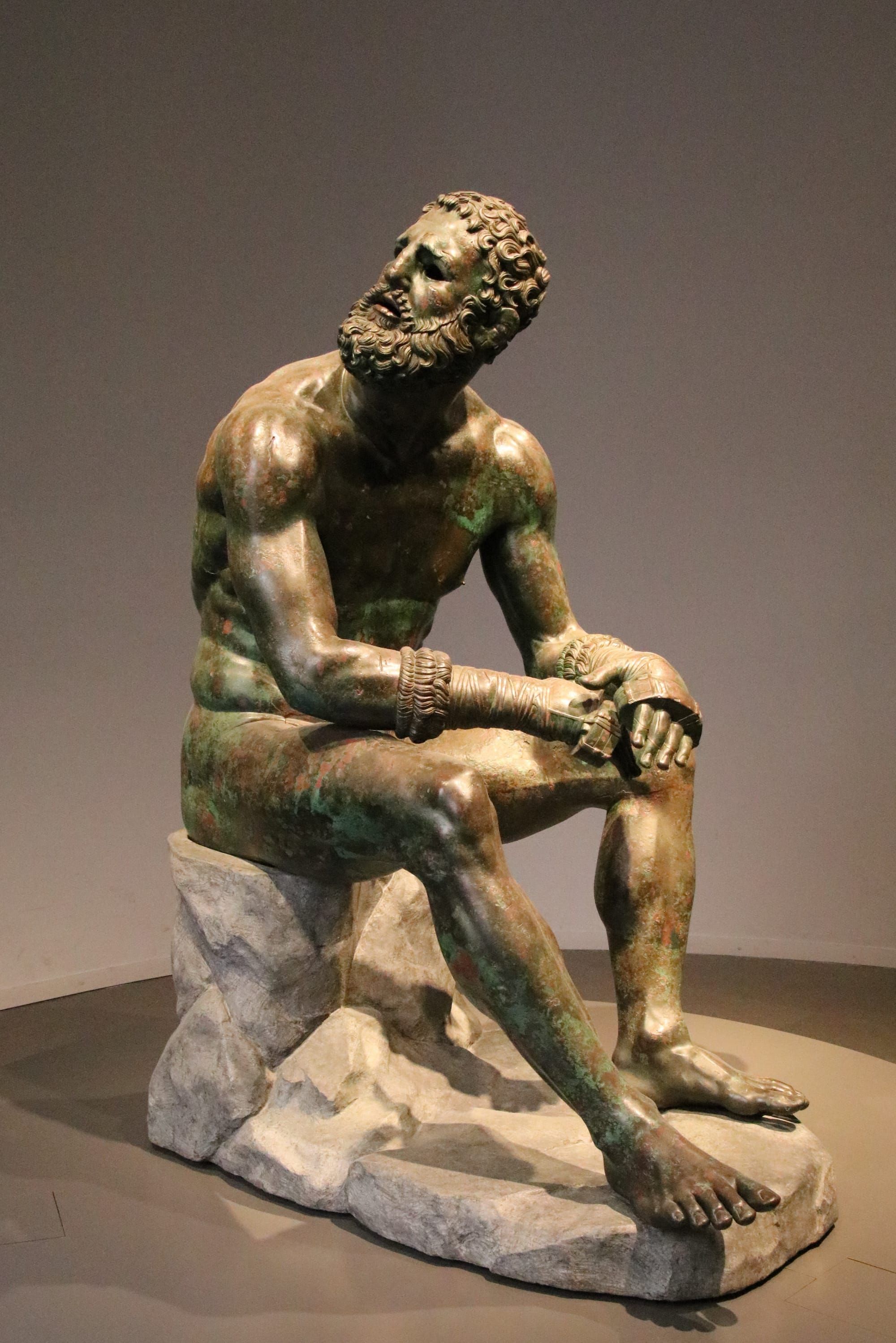
Not much in sports compares to the taste of defeat. It comes in many flavors and on countless occasions. Unexpectedly, when you imagine yourself the favorite. Overwhelming, when you never stood a chance. Unfair, when you feel cheated by your opponent or an official. And, perhaps worst of all, bitter: when victory was nigh but snatched away.
No one enjoys defeat, regardless of the timeless cliches. (I'm a big fan of Mandela's "I never lose. I either win or learn.") But buried within our animosity towards losing is something I consider beautiful. The despair we feel when victory is within our grasp, but we don't quite reach the finish line. The tennis match that goes three sets and ends with a tiebreaker. The basketball game decided by a buzzer-beater. Pouring so much of ourselves, our hope, effort, and dreams, into a competition only to lose is heartbreaking.
In some situations, this might be the last, or only, opportunity a player is given. And for most competitors, this will be how their career ends. Few get to finish in glory. But it's seeing people caring so deeply about something that is endearing to me. Despite the repeated anguish that comes with being a competitor — no one wins at first, we all start as losers — they, you, we chose not to give up. Apollonius of Athens' Boxer at Rest depicts the ragged, worn-down fighter likely exhausted from his recent bout. He only made it that far because he chose not to give up, to not concede when the going got tough. That snapshot image into his life depicts the suffering competitors endure, but it also highlights their fortitude.
ITA Regional - The End of the Road
This past spring, I officiated the end-of-year Intercollegiate Tennis Association (ITA) finals between two top 10 nationally ranked programs. It was an interesting dynamic; their record for the year was split — one team winning outdoors, and the other winning indoors.
After the grueling doubles point was decided by a tiebreaker on court three, the higher-seeded team got off to a quick lead on the three remaining courts they needed to secure the title. But no one gave up. Each player, even those losing, continued to battle point after point. They knew if they gave up, the momentum would compound in the other team's favor. The final 4-0 match score does not reflect how close it could have been. The three singles courts that didn't finish were each close in score, and two of the three were being led by the team that lost.
The losers, for lack of a better term, were spiritually crushed. As the victors paraded and cheered with their trophy banner held high, they sat with their heads in their laps. Defeated and demoralized.
While this sounds like the worst outcome for the losers, to lose a tight match and get nothing for their hard work, I view it differently. Their effort wasn't wasted. Their attitude wasn't shameful; it was deserved.
To Care: Does it Matter?
Apathy is a state of indifference or the suppression of emotion, characterized by a distinct lack of interest, enthusiasm, or concern.
Sophomore year at Centre College, at our year-end senior send-off ceremony for Beta Theta Pi, a 22-year-young man said to us, "Apathy isn't cool." I didn't understand what he meant at the time. I could have — should have — cared more about a lot of things. But I didn't understand why it was cool to care (or not cool to not care, as he would have put it).
I believe part of the reason we don't care about things anymore is that it can be painful. If you don't care if you win or lose, you don't feel disappointed or hurt with the loss. But the flip side is that winning isn't quite as sweet, either. So I will choose to care, more, even. To care about my relationships with others, my health and well-being, and other aspects of life that deserve it. Because apathy isn't cool, and all it's doing is muting the vibrancy of your life.
When I saw how crushed those college players were when they lost, I knew they cared. About that match, their teammates, tennis as a whole. They weren't apathetic at all. It mattered to them on a level we don't get to experience often. Real and raw emotions, an experience on a spiritual level. Not just losing — they'd probably prefer to forget that part — but all the highs and lows of the season. And I think that's worth the fleeting disappointment of loss.