Defining Awe

An artist is somebody who enters into competition with God. - Patti Smith
At the ripe age of 20, standing along the rocky shore of Northern Ireland, I didn't know if I would ever again witness beauty quite like Giant's Causeway. There was even a rainbow for crying out loud! The blue skies, sound of the water, refreshing breeze, and unrealistic - yet completely natural - look of the stones. I had never experienced anything like it.
But why did I find it so incredible? I'd seen rainbows, clear skies, and funny-shaped rocks before. Some combination of these factors and the general mood of the space must have been what left me speechless. Yet, unsurprisingly, I did continue to witness grandeur after Northern Ireland: Turkey, the U.S. Southwest, and Japan. Each had its share of awe-inducing landscapes, and each time I was induced with awe.
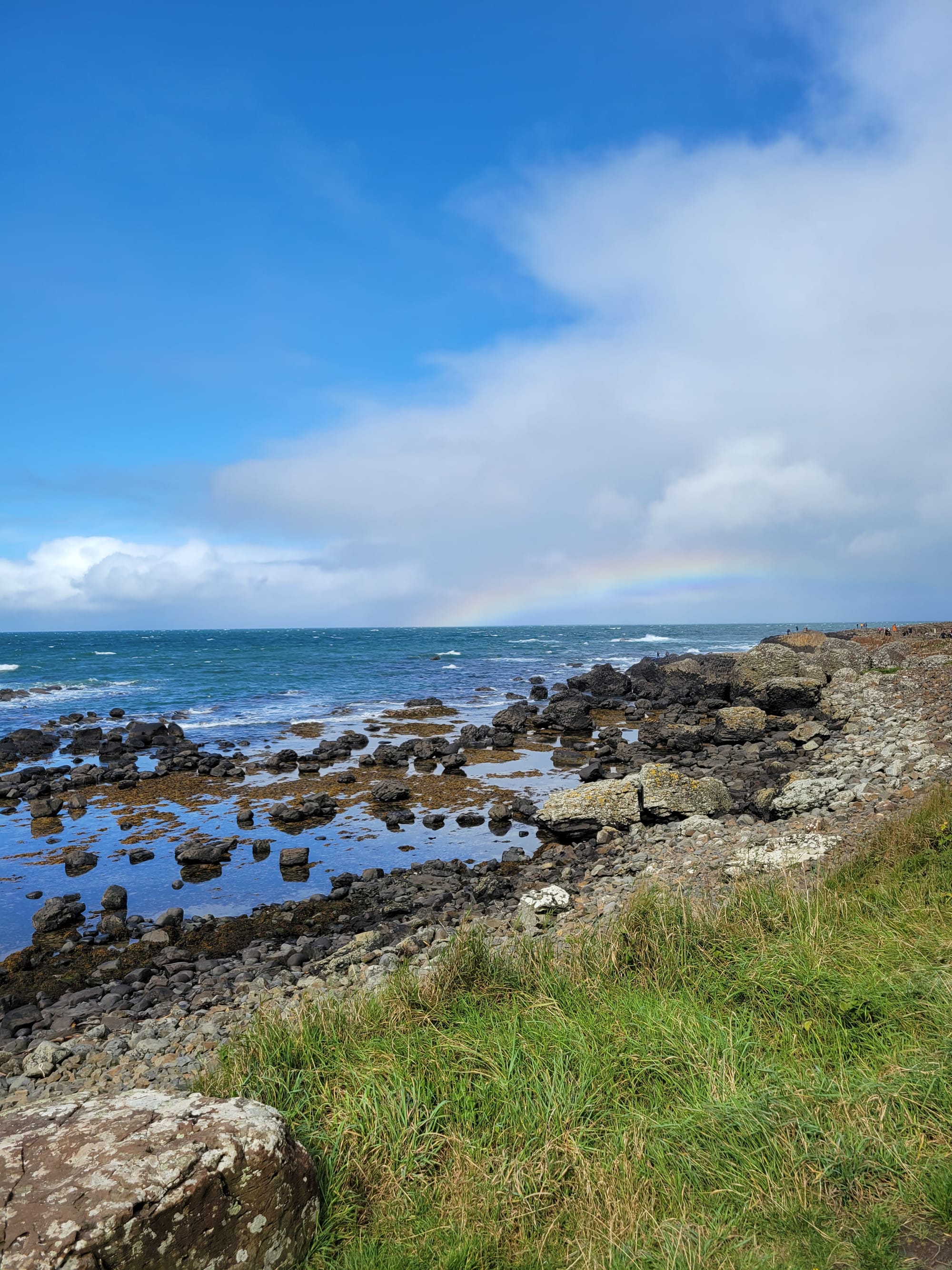
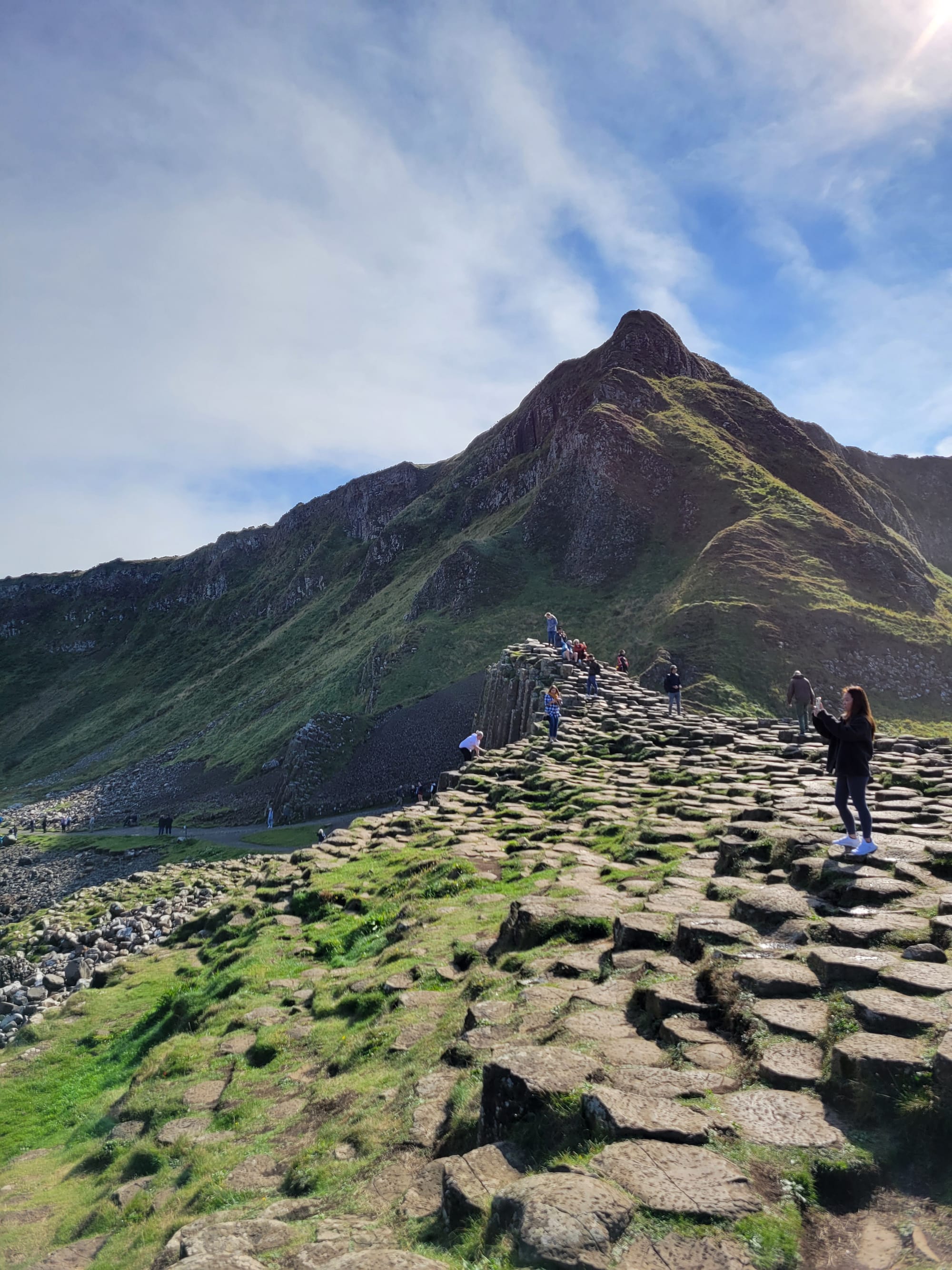
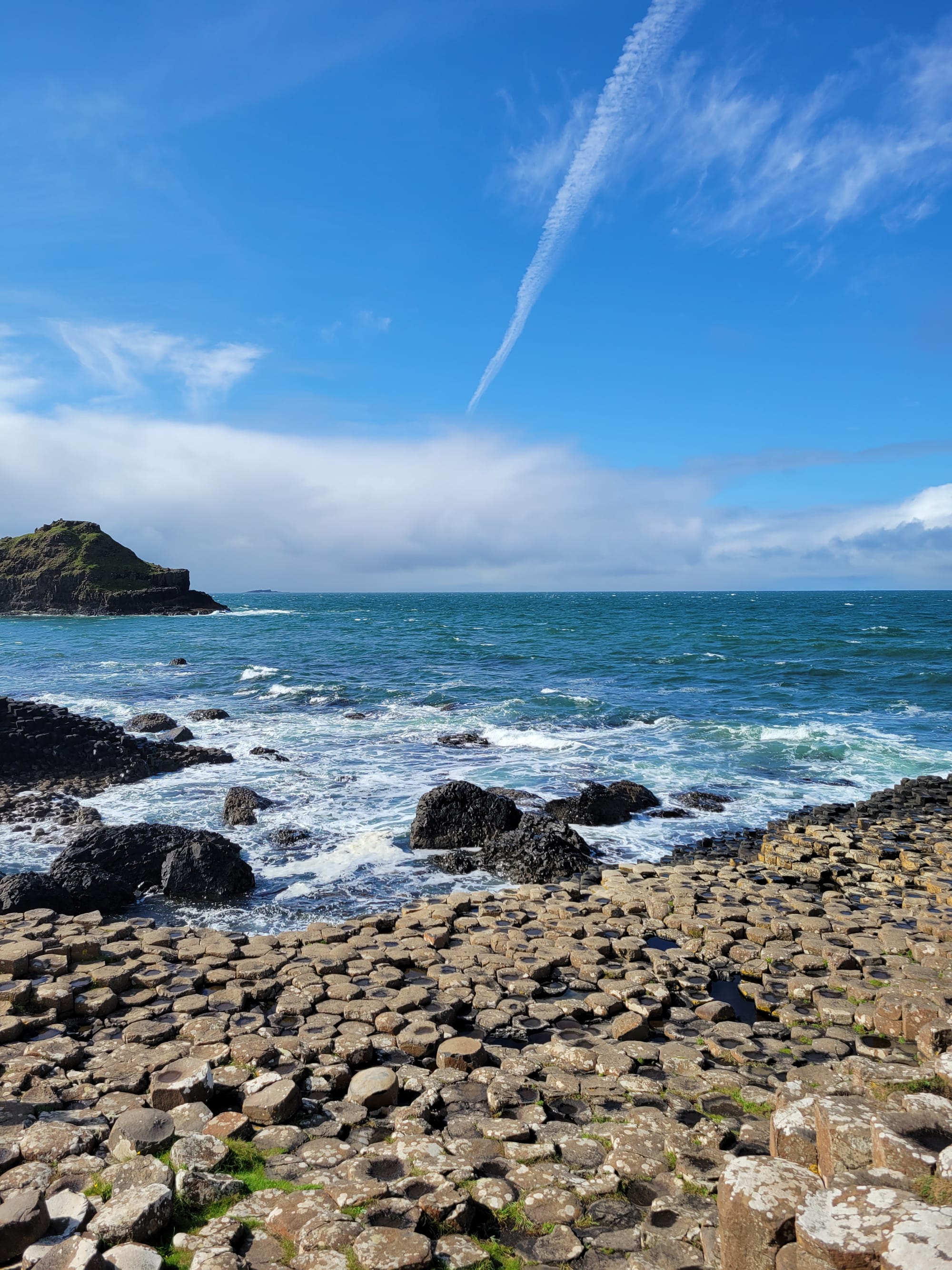
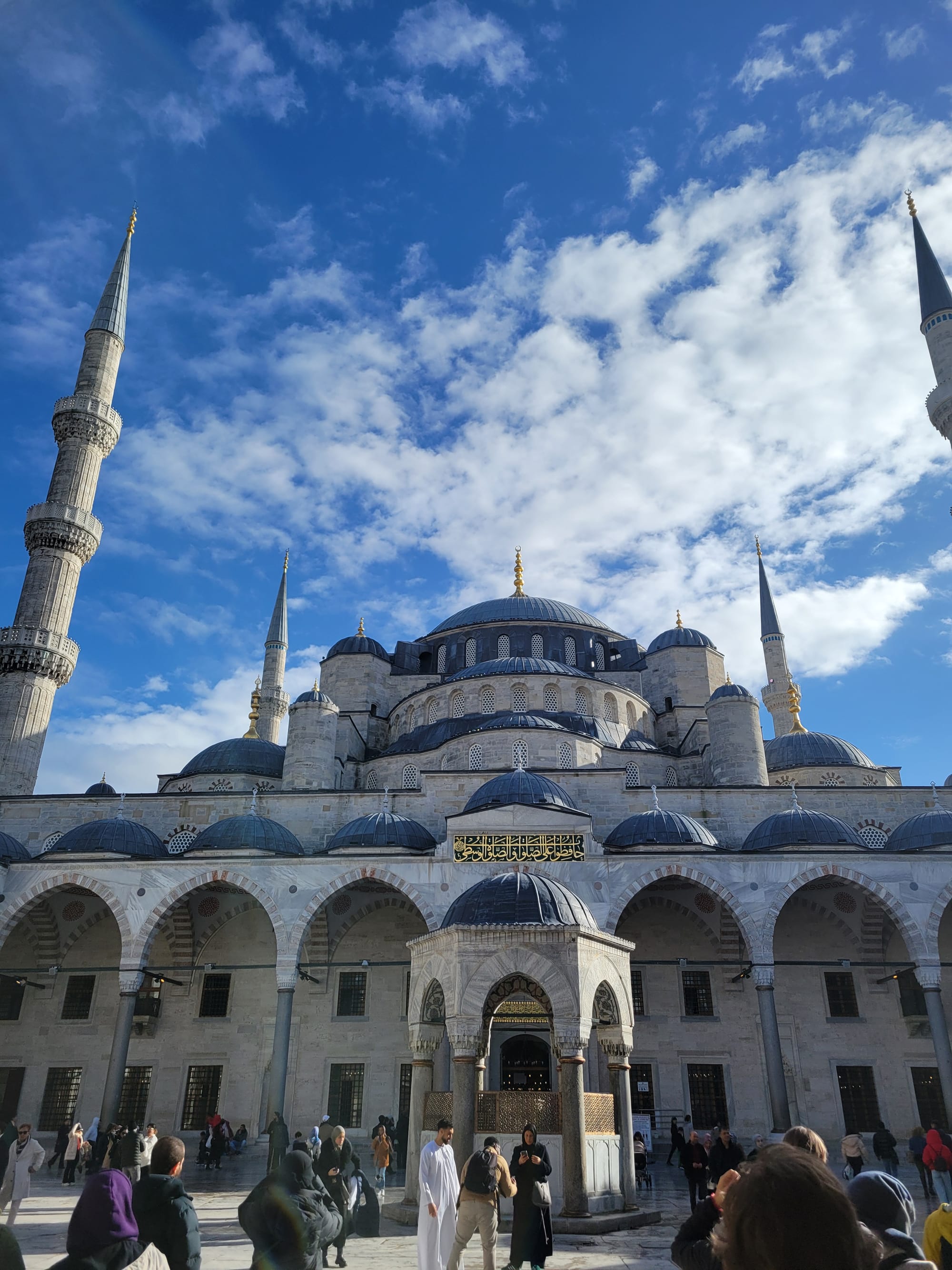
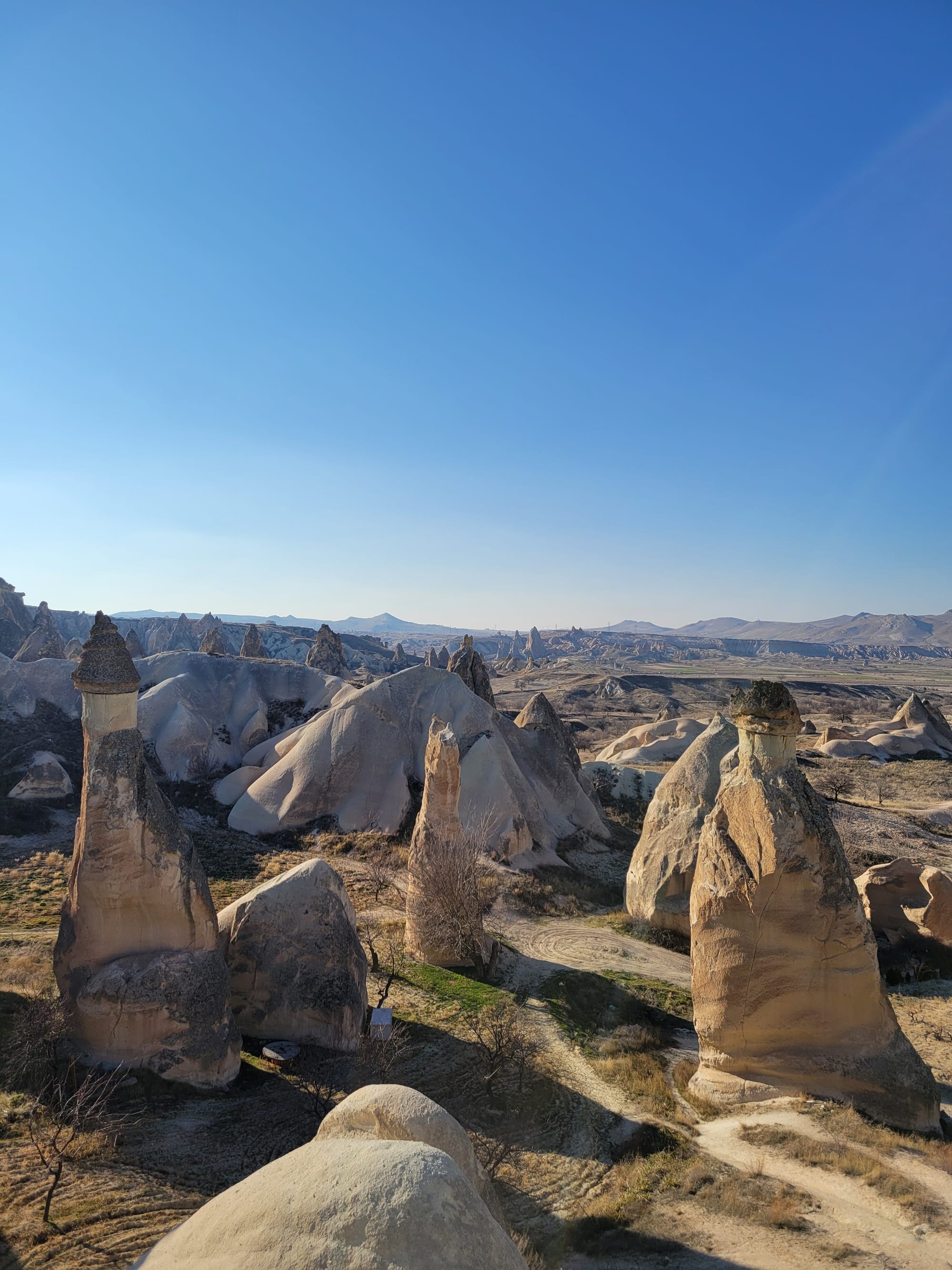
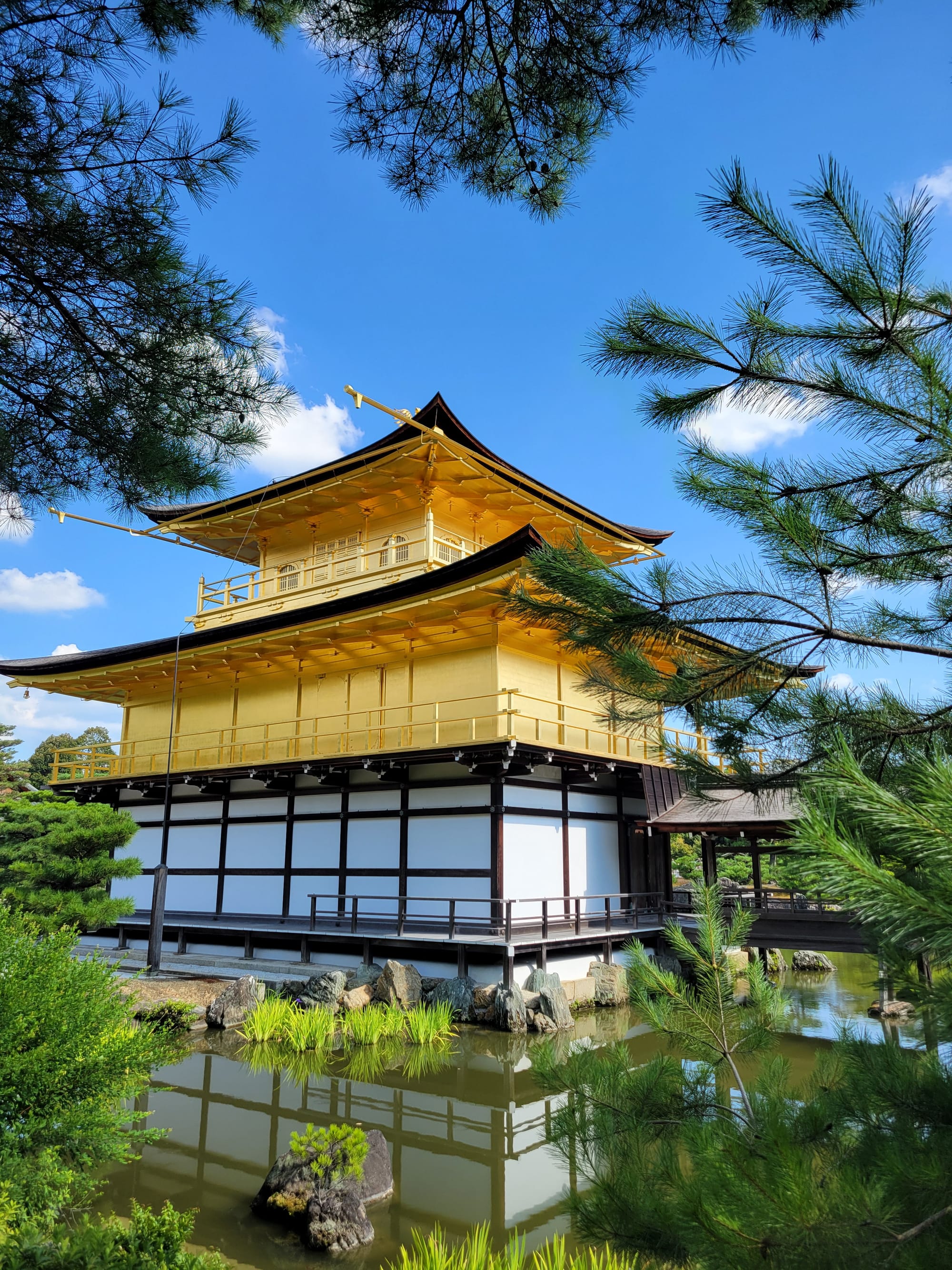

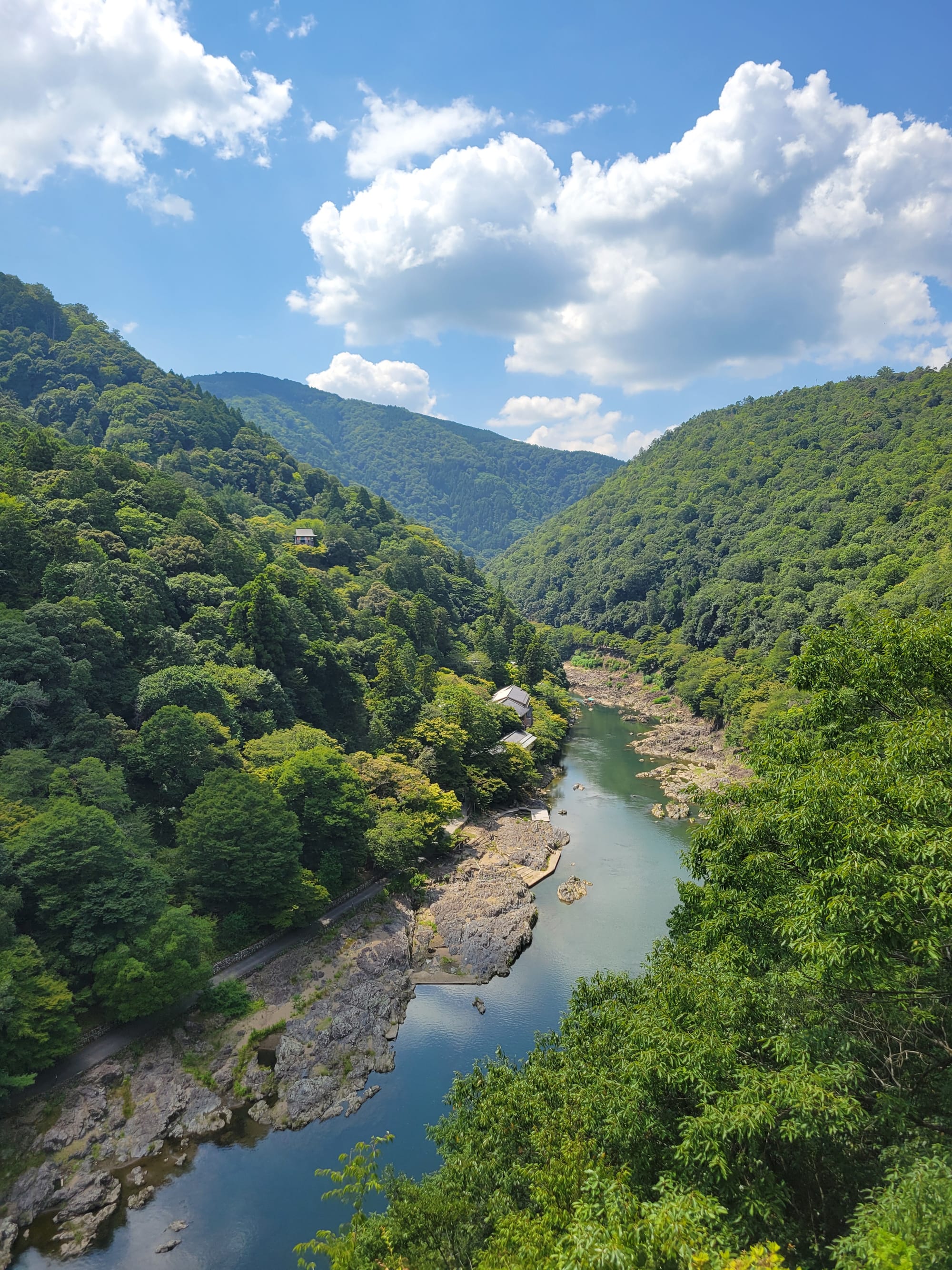
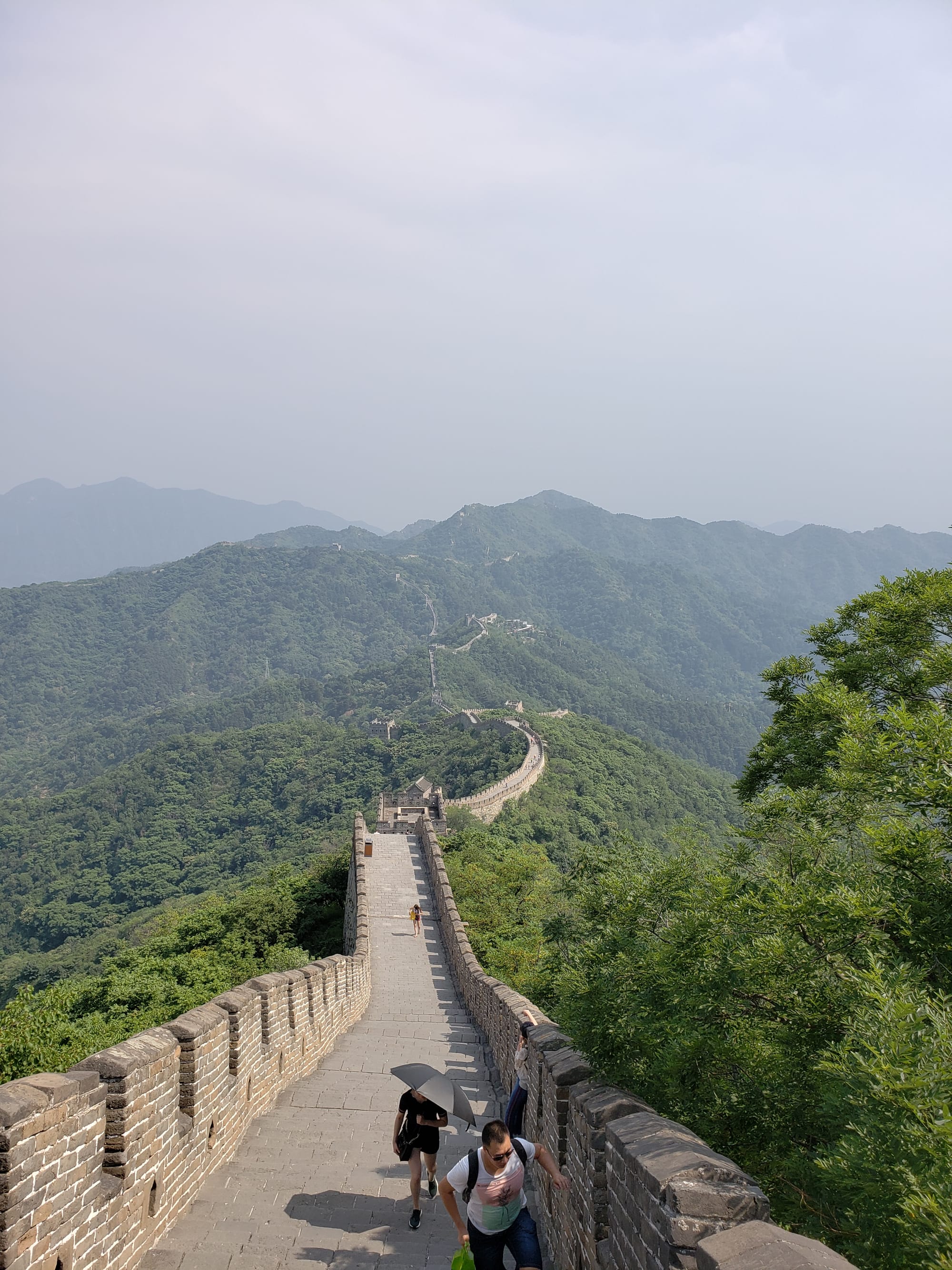
Pictures 1-3 at Giant's Causeway in Northern Ireland; 4 at Istanbul's Blue Mosque; 5 is a view of Cappadocia's "Faerie Chimneys"; 6-8 in Kyoto, Japan; and 9 on top of the Great Wall of China.
Nature as the Standard
I'm going to make an assumption and assert most people find the natural world beautiful. Maybe not a gray, overcast sky in winter when the leaves are off the trees and color seems void from life, but most of the time we can look at a clear sky and running water and find peace. The more interesting question is why we find it beautiful. The most common hypothesis I've found is evolutionary; lush areas with plentiful water increased survival rates.
I like that answer fairly well, but we also find places totally inhospitable beautiful as well. Deserts, snowy tundras, mountain peaks, canyons, outer space. I'd posit that it has something to do with scale. Our brains aren't very good at grasping large numbers, so why not assume that extends to other overwhelming facets of life: objects/places, colors, and time sinks. Large objects like mountains, canyons, oceans; we're overwhelmed by the size. A field of flowers, night-time nebulae, even a well-lit forest, all contain numerous colors. And, finally, the man-made wonders that do not depict nature: art, architecture, and sport.
I'll begin with the easiest of these to dissect: art. Most art predating modern and Dada-esque movements featured natural subjects. Counting people as part of the natural world, the most famous art forms of portraits and landscapes are simply attempts at capturing and highlighting natural beauty.
Architecture's appeal is a little more complex. While some builders and architects imitate natural forms in their work, some of the grandest displays of human ingenuity are devoid of natural form. The domed mosques of Istanbul are a fantastic example. The carefully structured tiles decorating their interior are not meant to look natural; they are unnaturally symmetric and perfect. The high ceilings draw our gaze toward the heavens, but do not usually have the sky or clouds painted upon them. And the exterior archways' columns may resemble tree trunks, but that's the extent of their natural comparison.
Time = Power
Anyone over the age of 10 would be able to tell you that it takes time and practice - generally an immense amount of both - to become great at something. Architects and artists both spend years perfecting their crafts. I believe that vastly expands our appreciation of their art. If everyone were able to paint and sculpt like Michelangelo, then we would appreciate his art in a far different capacity. No longer would we marvel at his work's beauty, just his creativity in subject choice.
This brings me back to sport. Anyone can play a sport, but few people can play at the highest level. We admire these people, idolize them. All because they can do something that we find astounding. And this is such a different kind of awe than the previous examples. Sport does not relate to the natural world; as a matter of fact, it is only thanks to our separation from the natural order of animals that has allowed us to form, practice, and perfect sport.
What's even more awesome is that our appreciation of such violent, sometimes ugly, motions involved in the highest level of sport contradicts our general attraction towards natural beauty. Football tackles, basketball fouls, baseball pitching, and unorthodox tennis swings, to list a few. Some sports like dance and ballet are meant to appear beautiful, but they are the outliers, not the norm.
Athletic Excellence
We marvel at professional athletes' ingenuity and perfection of craft. It is a combination not only of their creativity, but also our understanding of how far we are from their excellence. I argue that athletes represent a culmination of human achievement; the time dedication required is not only immense, but oftentimes incomprehensible, as well. I can imagine how someone can paint a brushstroke, line up a wall with an arch, or play a note on a piano. But I can't begin to understand a hockey break-away.
The next time you find yourself watching a professional sport, take a moment to compare your appreciation of it to a painting or a fond memory in nature. You never know what may amaze you.